



Rooted in Sustainable Land Management and Stewardship
ESG considerations and their corresponding impact on the sustainability of our business are both critical to and tightly integrated within every aspect of our strategic decision-making. Our Board of Directors provides direct oversight of our ESG policies and the integration of ESG factors.
As a natural resource company that has operated its lands dating back nearly a century, and with the acquisition of Pope Resources, dating back to the mid-1800s, we’ve learned a lot over the years about managing sustainably to protect the interests of all stakeholders.
We’ve also borrowed heavily from our decades of experience in New Zealand, where the Māori term “Kaitiakitanga,” which translates to guardianship and protection, embraces the concepts of ESG and the broader duty of care with respect to people, the land, and our business.
Our strategic planning efforts look out over multiple future rotations of trees within our forests, taking us well into the next century. As we bring this very long-term mind-set to managing our forestry assets, we also approach our business with the long-term interests of all our stakeholders at heart.
We welcome your interest and feedback.

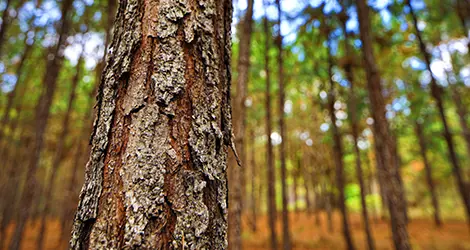

Environmental
We recognize our responsibility to look after our land for both current and future generations, as the company’s long-term success ultimately depends on the environmental and economic sustainability of our forests.
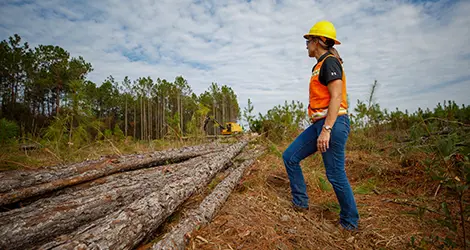
Social
We strive to be the preferred employer in the forestry industry, and are committed to hiring and developing the industry’s best talent while maintaining an inclusive and equitable work environment.
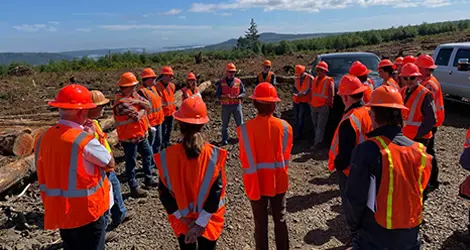
Governance
Our Board is responsible for the governance of the company in the best interests of its shareholders and the company as a whole.
Sustainability Targets

Carbon Footprint
42% reduction in Scope 1 and 2 emissions by 2030
25% reduction in Scope 3 cradle-to-gate emissions by 2030
Sustainable Forest Management
100% of forests managed for traditional forest products certified within two years of acquisition and establishment

Safety and Wellness
Total recordable incident rate (TRIR) of 2% or less across geographies
100% of employees complete safety training each year
Talent Recruitment and Retention
Voluntary turnover rate of 6% or less
Employee engagement score in the 80th percentile or higher in 2025

Business Ethics and Transparency
100% of employees complete training on our Standard of Ethics and Code of Corporate Conduct each year